As multinational companies (MNCs) expand across borders, corporate tax filing becomes increasingly complex. Different tax regimes, reporting standards, transfer pricing rules, and compliance deadlines create significant risks if not managed strategically. In 2026 and beyond, effective corporate tax filing is no longer just about compliance—it is about risk mitigation, cost optimization, and long-term sustainability.
This is why global businesses partner with experienced tax and accounting providers like Xerosoft Global to implement structured, data-driven tax filing strategies that scale with international operations.
The Growing Complexity of Multinational Taxation
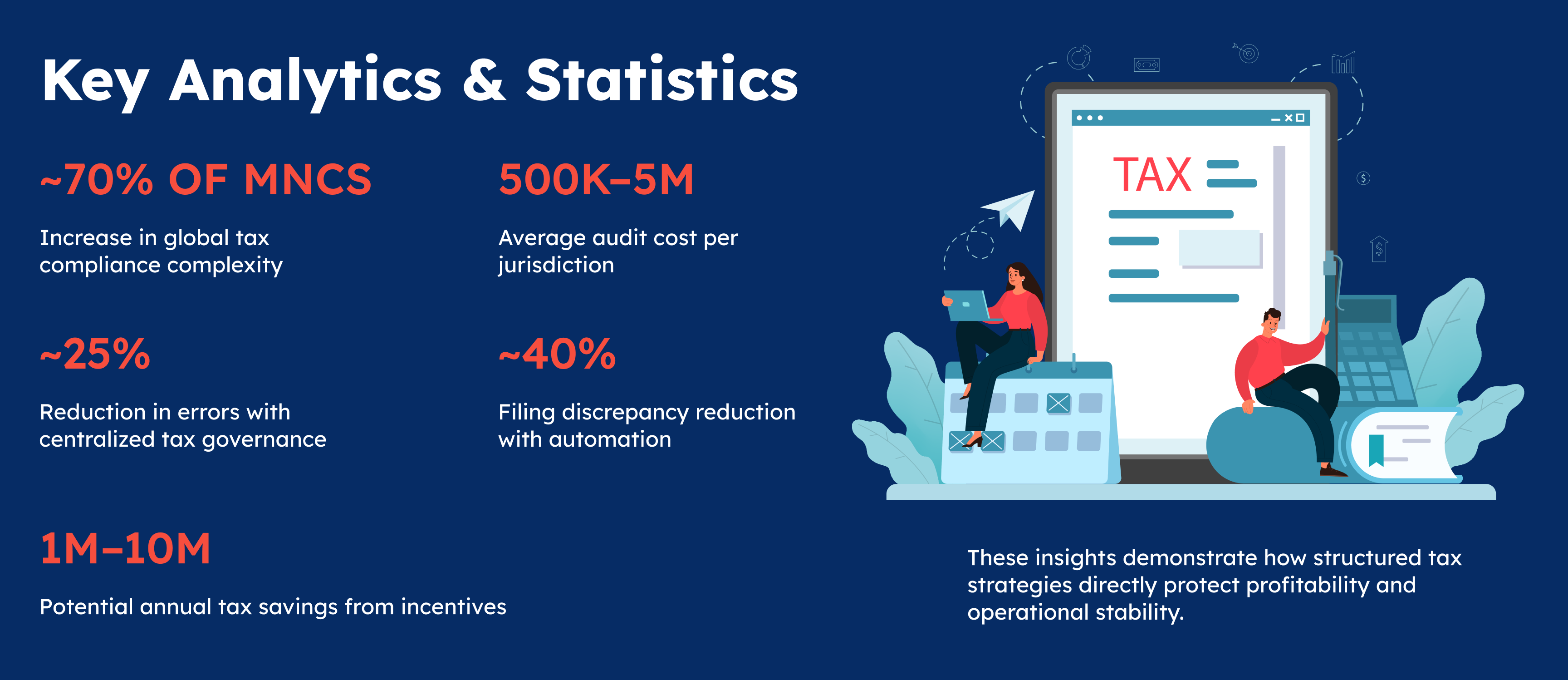
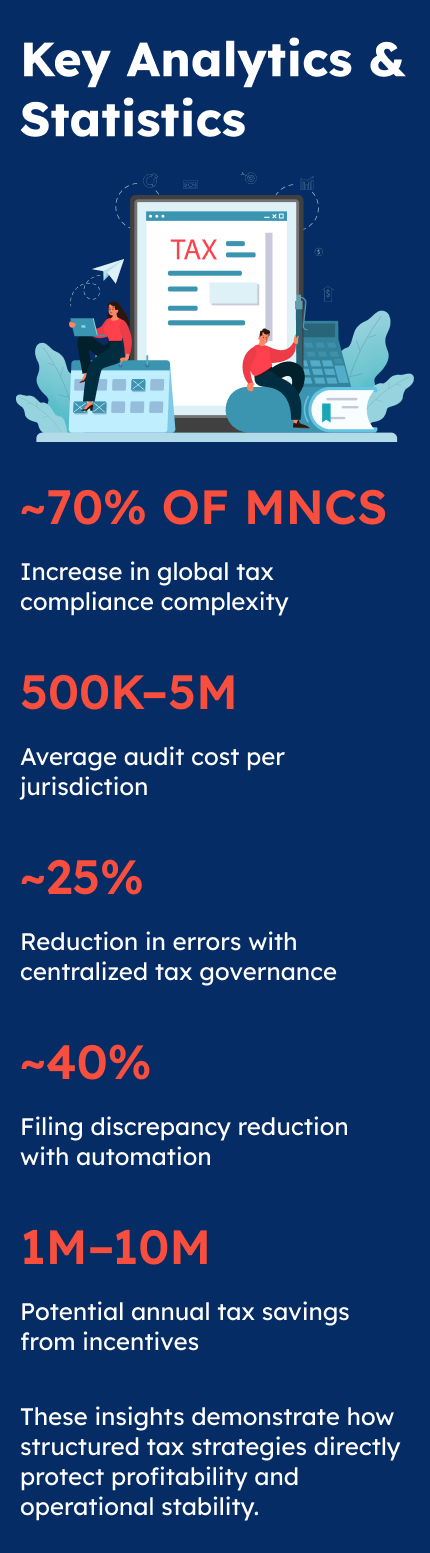
- Over 70% of multinational firms report increased tax compliance complexity due to cross-border reporting requirements.
- Tax authorities now conduct more data-driven audits, increasing audit frequency by an estimated 20–30% over the last five years.
- Poorly managed tax filings can result in penalties, interest, and reassessments ranging from ₱500,000 to ₱5,000,000 per jurisdiction.
Key Corporate Tax Filing Strategies for Multinational Companies

Centralized Tax Governance
- Ensures consistent tax policies across countries
- Reduces duplication and conflicting filings
- Improves visibility into global tax exposure

Transfer Pricing Compliance and Documentation
- Intercompany transactions must reflect arm’s-length pricing
- Inadequate documentation is a leading cause of tax adjustments
- Audits frequently result in retroactive tax liabilities

Country-by-Country Reporting and Data Accuracy
- Corporate income tax returns
- Country-by-country (CbC) reports
- Financial statements and management reports

Leveraging Tax Incentives and Treaty Benefits
- Double taxation treaties
- Investment incentives
- R&D and employment credits

Technology-Enabled Tax Filing
- Automated tax calculations reduce errors
- Digital audit trails improve transparency
- Real-time analytics support better forecasting
Key Benefits of Strategic Corporate Tax Filing
Reduced Compliance Risk
Consistent and accurate filings minimize penalties, interest, and audit exposure.
Improved Cash Flow Management
Avoiding overpayments and late penalties preserves working capital in ₱.
Audit Readiness Across Jurisdictions
Strong documentation and reconciled data streamline audits and reduce disruption.
Better Executive Decision-Making
Clear tax analytics support smarter expansion, restructuring, and investment decisions.
Scalable Global Operations
With expert partners like Xerosoft Global, tax processes grow seamlessly alongside international expansion.
Conclusion
For multinational companies, corporate tax filing is no longer a routine annual obligation—it is a strategic function that directly impacts risk, cash flow, and global growth. Fragmented systems, inconsistent reporting, and missed incentives can lead to significant Peso-denominated financial losses and reputational damage.
By adopting centralized governance, compliant transfer pricing, technology-enabled reporting, and proactive tax planning, multinational organizations can turn tax filing into a competitive advantage. Partnering with experienced professionals like Xerosoft Global ensures that corporate tax strategies remain compliant, efficient, and aligned with long-term business objectives.
References
- OECD. Corporate Tax Statistics 2025
- Wikipedia. Country-by-Country Reporting
- OECD. Transfer pricing
- PwC. Global Reframing Tax Survey 2025
- Wikipedia. Base erosion and profit shifting (OECD project)