Employee trust is a cornerstone of a productive and engaged workforce. In 2025, one of the most powerful drivers of trust isn’t perks or office culture — it’s payroll systems. When employees are paid accurately, on time, and transparently, trust flourishes. Conversely, errors in payroll can erode confidence, hurt morale, and increase turnover.
Modern payroll technology offers companies new opportunities to strengthen trust through accuracy, accessibility, and transparency. Organizations adopting next‑generation systems — including those supported by Xerosoft Global — are setting new standards in how employees perceive fairness and reliability in compensation.
The State of Payroll Trust in 2025
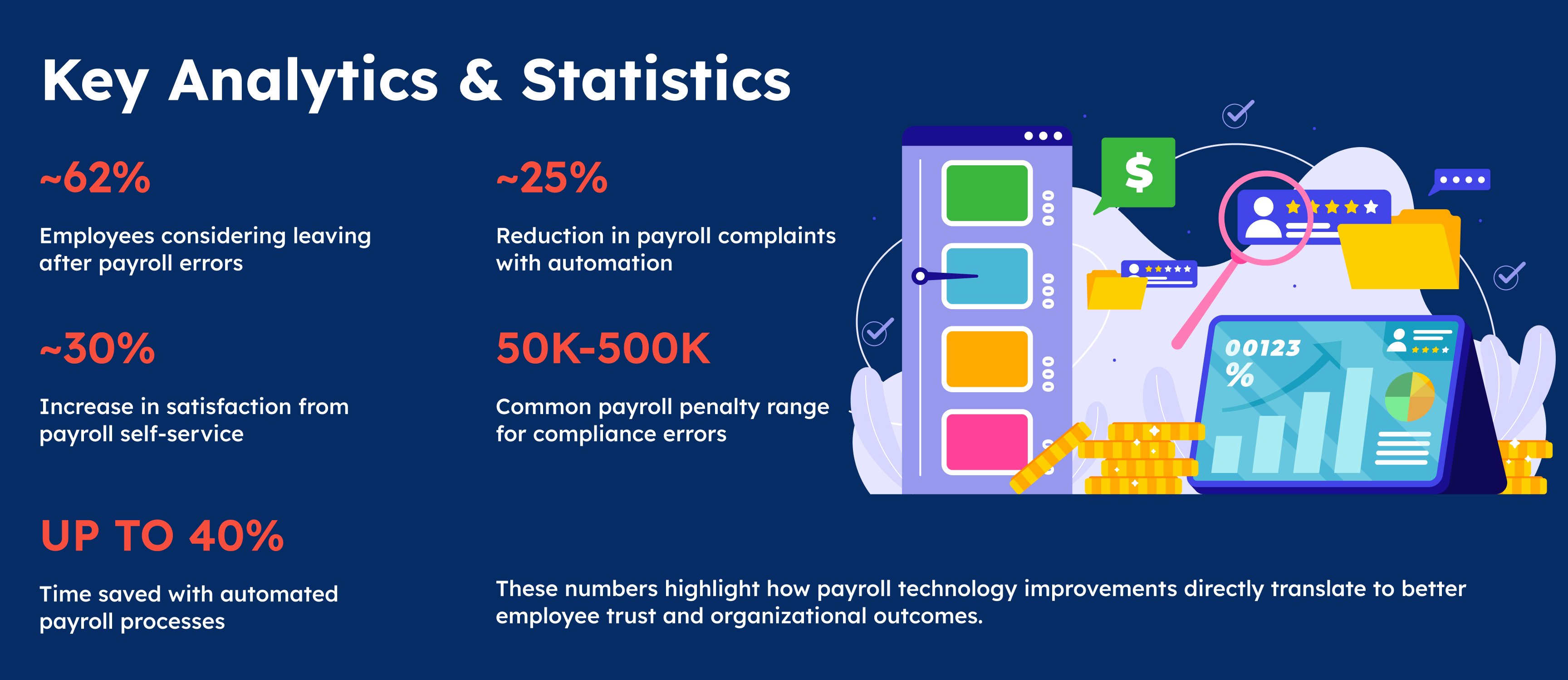
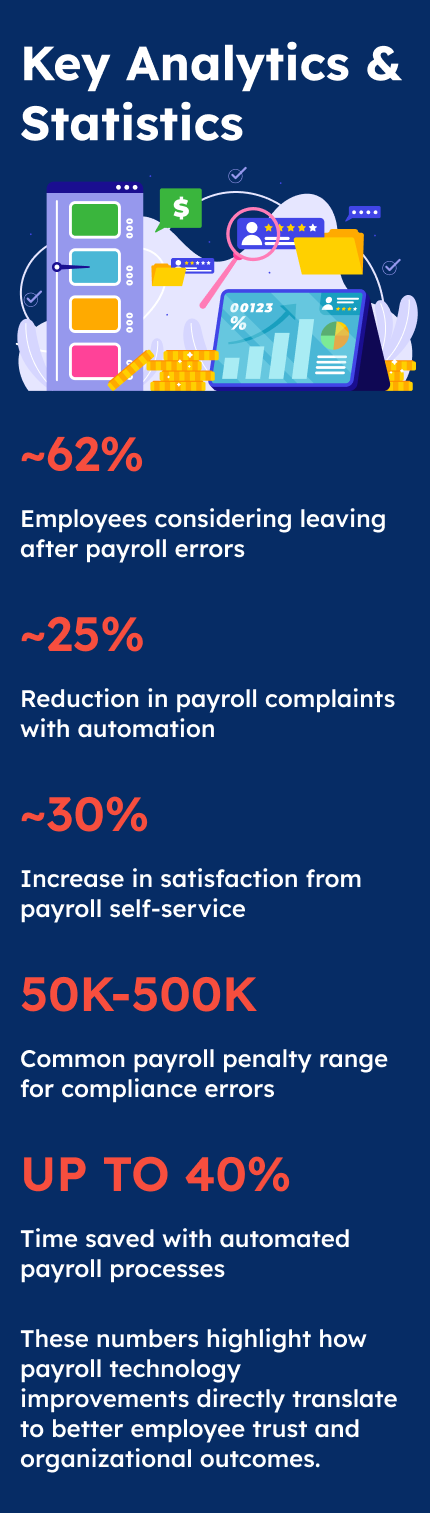
- 62% of employees say they would consider leaving a job after experiencing two or more payroll errors.
- Companies with automated, transparent payroll systems report 25% fewer payroll‑related HR complaints.
- Firms that deploy employee self‑service payroll portals see 30% higher satisfaction scores related to pay and benefits.
Why Payroll Systems Matter for Trust

Accuracy: Pay the Right Amount, Every Time
- Errors lead to financial stress: even a shortfall of ₱5,000–₱20,000 can disrupt household budgeting.
- Delayed corrections hurt credibility and morale.
- Repeated mistakes are a leading driver of turnover.

Timeliness: Pay On Time, Every Time
- Employees report financial uncertainty
- Trust in leadership declines
- Productivity and focus suffer

Transparency: Clear Payslips and Easy Access
- View detailed payslips
- Track benefits and tax contributions
- Download payment history

Compliance: Abide by Local Rules & Deductions
- Wrong tax withholdings or benefit contributions undermine trust
- Improper deductions lead to disputes and grievances
- Compliance errors may incur penalties between ₱50,000 to ₱500,000
Key Benefits of Trust‑Focused Payroll Systems
Enhanced Employee Retention
Accurate and transparent payroll reduces turnover by minimizing payroll‑related dissatisfaction.
Improved Employee Engagement
When employees trust that their compensation is accurate and timely, focus shifts toward productivity, not dispute resolution.
Fewer HR Support Tickets
Payroll self‑service portals reduce the volume of employee inquiries and administrative workload.
Greater Compliance Confidence
Automated rule‑based systems keep deductions and withholdings correct across tax cycles, safeguarding both employer and employee interests.
Scalability for Future Growth
With next‑generation payroll tools, companies can scale operations without increasing administrative overhead.
Conclusion
In 2025, payroll systems play an essential role in not just running pay cycles — but in shaping how employees feel about their employer. Accuracy, timeliness, transparency, and compliance aren’t just technical requirements — they are trust‑building pillars that influence retention, performance, and organizational reputation.
References
- HiBob. Beyond the Paystub: Why Payroll Accuracy Is the Bedrock of Employee Experience
- Our Business Ladder. The Impact of Payroll Automation on Employee Satisfaction and Engagement
- Inova. How Payroll Software Improves Employee Satisfaction and Retention
- Superworks. Payroll Statistics 101: What Every HR Manager Needs to Know